
Sidewalks are essential to every New York City neighborhood. They provide safe walking routes for residents, customers, visitors, and people using wheelchairs or strollers. However, daily foot traffic, weather changes, tree roots, and underground utility work can crack, sink, or otherwise damage sidewalks.
For property owners, sidewalk damage is more than a maintenance issue. Damaged sidewalks can create trip hazards, lead to an NYC Department of Transportation (DOT) violation, and increase the risk of injury claims.
Understanding how sidewalk repair in NYC works can help you identify problems early, plan your budget, and avoid unnecessary delays. Whether you own a private home, manage a commercial property, or oversee a multifamily building, understanding the repair requirements can simplify the process.
How to Get Professional Sidewalk Repair in NYC
If your sidewalk is cracked, uneven, sunken, or in violation of NYC DOT rules, scheduling an inspection is a practical first step. A professional assessment can help determine the extent of the damage, the repair requirements, and the likely project cost.
NY Vanta Contractors helps property owners address sidewalk repair and replacement needs across the Bronx, Brooklyn, Manhattan, and Queens. Whether you need to replace damaged concrete, fix a trip hazard, or address a DOT violation, the right approach starts with understanding your sidewalk’s condition.
Addressing sidewalk problems promptly can protect pedestrians, maintain your property, and keep your repair project on track.
What Causes Sidewalk Damage in NYC?
NYC sidewalks see heavy use year-round. Several factors can weaken concrete and create unsafe walking surfaces.
- Tree roots – Roots from street trees can grow beneath concrete sidewalk flags and push them upward. This can create uneven surfaces and trip hazards.
- Freeze-thaw cycles – Water can enter small cracks, freeze during cold weather, and expand. Repeated freezing and thawing can worsen existing cracks.
- Heavy foot and vehicle traffic – Busy commercial areas experience constant pedestrian traffic. Sidewalks near driveways, loading areas, and building entrances may also experience additional stress.
- Water drainage problems – Poor drainage can allow water to collect beneath concrete slabs, potentially causing erosion, sinking, or an unstable surface.
- Utility and construction work – Excavation for water lines, gas lines, and other underground utilities can disturb the ground beneath a sidewalk. Improper restoration may lead to cracks or settlement later.
Identifying the cause of the damage is important because a lasting repair should address the underlying problem whenever possible.
Common Sidewalk Problems That Need Repair
Not every crack requires replacing the entire sidewalk. However, certain defects can create safety concerns or violate NYC DOT requirements.
- Cracked concrete: Deep or full-depth cracks can weaken a sidewalk flag and loosen pieces.
- Uneven sidewalk slabs: One section may sit higher than the adjoining slab, creating a tripping hazard.
- Sunken sidewalks: Settling or soil erosion can leave sections lower than the surrounding pavement.
- Missing or broken concrete: Missing pieces expose gaps that can affect pedestrian safety.
- Protruding hardware: Utility covers or other hardware sticking above the walking surface can obstruct pedestrians.
- Improper slope: Incorrect grading can interfere with drainage or create an unsafe walking surface.
NYC DOT identifies several of these conditions as potential sidewalk defects under the city’s sidewalk regulations. Property owners should address hazardous conditions before they worsen.
Who Is Responsible for Sidewalk Repair in NYC?
In most cases, property owners must maintain and repair the sidewalk adjoining their property. This responsibility generally applies to residential buildings, multifamily properties, commercial buildings, and vacant lots.
Under NYC Administrative Code Section 7-210, property owners can also be held liable for certain injuries caused by a failure to maintain sidewalks safely. Specific exceptions apply, including certain one-, two-, and three-family residential properties that meet the law’s requirements.
Special rules also apply to sidewalks damaged by city-owned trees. NYC has provisions that protect qualifying one-, two-, and three-family properties from violations and liens when a city tree alone causes the damage. Other properties may remain responsible for tree-related sidewalk damage.
If a utility company or another contractor caused the damage, the property owner should document the condition and investigate whether the responsible party can reimburse the repair costs.
Review the city’s official sidewalk repair guidelines for more information on property owner responsibilities and exceptions.
What Is an NYC DOT Sidewalk Violation?
NYC DOT inspects sidewalks to identify conditions that may endanger pedestrians. When an inspector identifies a qualifying defect, the department may issue a Notice of Sidewalk Violation to the property owner.
The notice identifies the defective sidewalk sections and typically includes a Preliminary Inspection Report (PIR). This report helps the owner understand which sidewalk flags need attention.
A sidewalk violation does not automatically carry a fine just because it was issued. However, ignoring the notice can lead to additional costs.
Property owners generally have 75 days from receipt of the notice to complete the required repairs. If the work isn’t completed within that period, NYC DOT may arrange repairs and bill the property owner.
A recorded violation may also complicate property transactions, including selling or refinancing a building.
If you believe the violation was issued incorrectly, check the report against the actual sidewalk conditions. You can request a reinspection or appeal when appropriate, following the city’s procedures and deadlines.
How Does the NYC Sidewalk Repair Process Work?
Repairing a sidewalk in New York City involves more than pouring new concrete. The work must comply with applicable city specifications and permit requirements.
1. Inspect the Damaged Area
Start by checking the sidewalk for cracks, raised slabs, missing concrete, drainage issues, and other visible defects. If you have received a DOT violation, review the inspection report carefully to identify the required repair areas.
2. Obtain a Repair Estimate
A contractor should inspect the site before providing a reliable estimate. The price can depend on the damaged area, concrete thickness, accessibility, demolition requirements, and the condition of the base beneath the sidewalk. If tree roots or drainage problems are involved, additional work may be necessary.
3. Arrange the Required Permits
Sidewalk construction generally requires an NYC DOT sidewalk construction permit. The property owner or contractor should confirm the applicable permit requirements before work begins. A permit does not extend the 75-day deadline associated with a sidewalk violation.
4. Remove Damaged Concrete
The contractor removes the defective sidewalk sections and prepares the area for reconstruction. If the ground beneath the concrete is unstable, it may need additional preparation before the new sidewalk is installed.
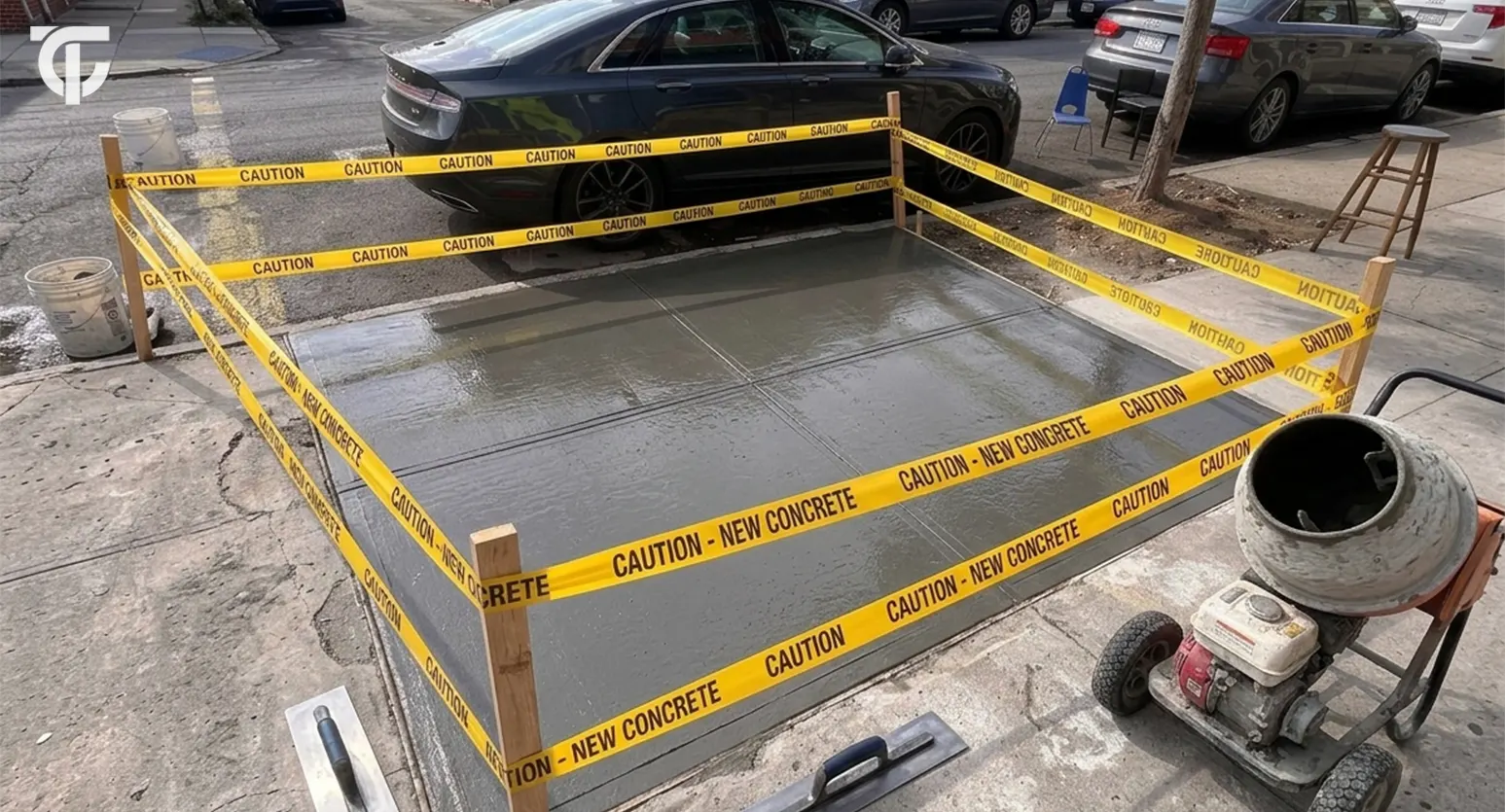
5. Install New Concrete
The contractor installs concrete according to applicable NYC DOT specifications. Proper thickness, reinforcement where required, joint placement, slope, and finishing all contribute to a durable sidewalk. The concrete must also provide a suitable walking surface and comply with applicable accessibility requirements.
6. Request a DOT Dismissal Inspection
After repairs are completed, the property owner must request a sidewalk violation dismissal inspection through NYC311 when a violation needs to be cleared. The owner should have the relevant permit number, property address, block and lot number, and violation number available. The city removes the violation after it confirms the required repairs were completed satisfactorily.
How Much Does Sidewalk Repair Cost in NYC?
The cost of sidewalk repair in NYC varies according to the size and complexity of the project. A small repair involving a few sidewalk flags generally costs less than a large project that requires extensive demolition or additional site preparation.
For preliminary budgeting, some sidewalk replacement projects may fall within a broad range of approximately $10 to $25 per square foot. This is only a general planning range, not an official NYC DOT rate or a guaranteed contractor quote. Actual costs may fall outside it.
Several factors influence the final price:
- Repair area: Larger projects require more concrete, labor, and removal work.
- Concrete specifications: Required thickness and site conditions affect material and installation costs.
- Accessibility: Narrow streets, limited equipment access, and busy pedestrian areas can complicate the work.
- Tree roots: Root-related damage may require additional assessment and coordination with NYC Parks.
- Permits and site requirements: Applicable permit fees, pedestrian protection, and other project requirements can affect the total.
- Violation requirements: The contractor must repair all sections required by the notice and meet applicable standards.
The best way to determine your budget is to schedule an on-site inspection and obtain a written estimate based on actual conditions.
How to Choose a Sidewalk Repair Contractor in NYC
Choosing the right contractor can help you avoid incomplete repairs, permit problems, and unnecessary repeat work. Before hiring a company, consider the following:
- Check licensing: Verify that the contractor holds the required NYC Department of Consumer and Worker Protection (DCWP) license for the work. NYC requires a Home Improvement Contractor license for covered sidewalk repair work costing more than $200.
- Confirm permit arrangements: Ask who will obtain the sidewalk construction permit and whether the permit covers the required work.
- Request a detailed estimate: The quote should explain the repair area, demolition, concrete installation, additional work, and costs.
- Ask about DOT specifications: The contractor should understand NYC sidewalk requirements and the inspection process.
- Review previous projects: Examples of completed sidewalk repairs can help you assess workmanship and experience with similar properties.
- Understand the completion process: If a DOT violation is involved, confirm how the contractor will help you prepare for the dismissal inspection and what documentation you will receive.
A low initial quote isn’t always the most economical option if the work doesn’t meet required standards.
👉🏻 Before signing an agreement, review the payment terms and understand how the contractor will charge for the work. Our guide to different types of construction contracts explains common pricing structures and how they affect project costs.
Why You Should Repair Sidewalk Early
Waiting until a sidewalk receives a violation can limit your options and put additional pressure on your repair schedule.
Early repairs can help property owners address minor defects before they become larger problems. Replacing damaged concrete can improve pedestrian safety, reduce the chance of further deterioration, and help maintain a property’s appearance.
Regular inspections are particularly useful for commercial buildings, apartment complexes, rental properties, and buildings with high pedestrian traffic.
Property owners should also monitor areas near street trees, driveways, utility covers, and building entrances because these locations can develop recurring defects.
Final Thoughts
Concrete sidewalk repair in NYC is an important responsibility for property owners who want to maintain safe walking surfaces and address potential DOT violations. Understanding the causes of sidewalk damage, repair requirements, permit procedures, and expected costs can help you plan the work and avoid unnecessary complications. Regular inspections can also identify cracks, uneven slabs, and drainage problems before they worsen.
If your sidewalk needs repair or you received a Notice of Sidewalk Violation, start by assessing the damage and reviewing the city’s requirements. Get a detailed estimate from a qualified contractor, confirm the required permits, and ensure all required repairs are completed by the deadline. These steps can help you manage the repair process more effectively and keep your property’s sidewalk in good condition.
Frequently Asked Questions
How long do I have to repair an NYC DOT sidewalk violation?
Property owners generally have 75 days from receipt of the Notice of Sidewalk Violation to complete the required repairs. The permit does not extend this deadline.
Do I need a permit to repair a sidewalk in NYC?
Sidewalk construction generally requires an NYC DOT sidewalk construction permit. Confirm the applicable requirements before starting the work.
Can I repair only the damaged section of my sidewalk?
Yes, repairs may be limited to specific sections when appropriate. However, if you have received a violation, every section identified for repair must be addressed, and the completed work must meet city requirements.
Can NYC DOT repair my sidewalk for free?
NYC has specific programs and exceptions for certain sidewalks, including qualifying residential properties damaged solely by city-owned trees. Eligibility depends on the property type and the circumstances. Most property owners must maintain their sidewalks.
How do I remove a sidewalk violation after repairs?
Once the required work is complete, submit a sidewalk violation dismissal inspection request through NYC311. The city must confirm that the repairs meet the applicable requirements before the violation is cleared.